
The Secret Ingredient to Spicy Bliss: Why This Homemade Sambal Will Change Your Life
Forget Sriracha! This Authentic Sambal Recipe Is the Only Hot Sauce You’ll Ever Need
admin
September 28, 2024
Promo,Sambal
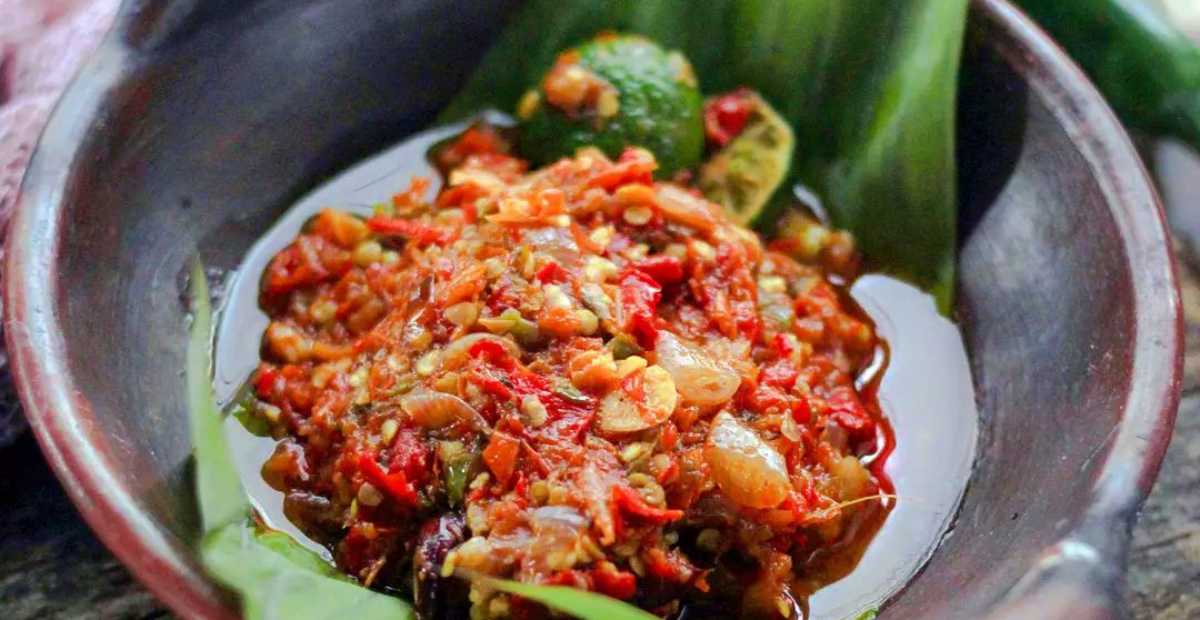
In the world of hot sauces, Sriracha has garnered a devoted following, becoming a staple in kitchens across the globe. Its tangy, slightly sweet, and garlicky flavor makes it a versatile condiment. But as much as we love Sriracha, there’s another spicy contender that deserves just as much attention, if not more: sambal. Originating from Indonesia and widely used in Southeast Asian cuisine, sambal offers a deep, complex heat that’s as bold as it is authentic. For those who crave more than just heat, sambal is the ideal hot sauce you’ve been missing out on.
What is Sambal?
Sambal is not just a sauce—it’s a celebration of spice and culture. The word “sambal” refers to a chili paste or sauce, and its variations are as diverse as the regions that produce them. While the base of sambal is typically fresh or dried chili peppers, it’s common to find different combinations of ingredients such as garlic, shallots, lime juice, vinegar, shrimp paste, and even tamarind.
Each country in Southeast Asia has its own interpretation of sambal. For example, sambal oelek, one of the most widely known versions, is made from ground red chilies, salt, and vinegar. Sambal terasi from Indonesia adds the umami punch of shrimp paste, while sambal matah from Bali is a raw, fresh variety made with shallots, lemongrass, and chilies. The possibilities are endless, and each version brings its own unique twist to the table.
The Origins and Cultural Significance of Sambal
Sambal has its roots deeply embedded in Southeast Asian culture, particularly in Indonesia and Malaysia, where it’s more than just a condiment—it’s an essential part of daily meals. The origins of sambal can be traced back to the spread of chili peppers through trade routes from the Americas in the 16th century. As the fiery little pepper made its way to Southeast Asia, it became a beloved ingredient that transformed local cuisines.
In Indonesia, sambal is such a prominent part of the culinary landscape that it is often considered a required component of every meal. Whether it’s served alongside rice dishes like nasi goreng or paired with grilled meats, sambal elevates every dish with its bold heat and layered flavors. In Malaysia, sambal is used in dishes such as nasi lemak, where it plays a critical role in balancing the rich coconut rice and fried anchovies.
Sambal’s versatility allows it to cross cultural boundaries, becoming a beloved condiment throughout the region. The recipe for sambal varies not only by country but by household, with families passing down their secret blends of spices and chilies through generations. This makes sambal a deeply personal and traditional food item, representing heritage and home.
Sambal vs. Sriracha: What’s the Difference?
While both Sriracha and sambal bring the heat, they are fundamentally different in terms of flavor and preparation. Sriracha is a smoother, almost creamy sauce with a balance of sweetness and tanginess, making it more of an all-purpose hot sauce. It’s beloved for its consistency and adaptability, often drizzled over everything from eggs to pizza.
Sambal, on the other hand, is chunkier and less processed. It retains more of the original texture of the ingredients, offering a fresh and robust flavor. Unlike Sriracha, sambal doesn’t usually have sugar, which allows the pure, unadulterated heat and savory elements to shine through. Sambal also tends to have a more intense and immediate kick, compared to Sriracha’s slow-building heat.
If you’re someone who enjoys the texture of crushed chilies and wants a more earthy, powerful hot sauce, sambal is the perfect alternative. It’s more customizable and less uniform, giving you the freedom to experiment with different flavor profiles based on your taste.
Making Sambal at Home: The Ultimate Recipe
The beauty of sambal lies in its simplicity and versatility. While there are countless variations, here’s a basic sambal recipe that captures the essence of this beloved sauce. This recipe focuses on sambal oelek, which is one of the most straightforward and adaptable versions.
Ingredients:
- 10–15 fresh red chilies (such as bird’s eye chilies or red jalapeños)
- 2 cloves of garlic
- 1 small shallot
- 1 tablespoon of lime juice (or vinegar for a sharper flavor)
- 1 teaspoon of salt
- 1 teaspoon of sugar (optional)
- 1 tablespoon of oil (vegetable or coconut oil)
Instructions:
Prepare the Ingredients: Start by washing and de-stemming the red chilies. Depending on how much heat you prefer, you can remove some of the seeds. For a milder sambal, take out most of the seeds, or keep them all in for a spicier result.
Blend the Chilies: In a mortar and pestle (or a food processor for convenience), crush the chilies, garlic, and shallot until you get a coarse paste. The texture should be somewhat chunky; don’t blend it too smoothly.
Cook the Sambal: Heat the oil in a pan over medium heat. Once hot, add the chili paste and stir for 5–10 minutes, allowing the flavors to meld together. Be sure to keep stirring so that the paste doesn’t burn.
Season and Serve: Add the lime juice (or vinegar), salt, and sugar if you prefer a touch of sweetness. Stir well and cook for another 2–3 minutes. Taste and adjust the seasoning if necessary. Your sambal is ready to serve!
Variations:
- Sambal Terasi: Add a teaspoon of shrimp paste while cooking to give your sambal a deep umami flavor.
- Sambal Kecap: Add soy sauce and finely chopped shallots for a sweet and salty variant.
- Sambal Matah: Skip the cooking process and make a raw version with finely sliced chilies, shallots, lemongrass, and lime juice.
How to Use Sambal
Sambal is incredibly versatile and can be used in a variety of ways. Here are a few ideas to get you started:
- As a Condiment: Like Sriracha, sambal can be served on the side of almost any dish. It pairs beautifully with fried rice, noodles, grilled fish, and meats.
- In Marinades: Use sambal as a base for marinating chicken, beef, or tofu. The chili paste adds a spicy depth to your protein before grilling or roasting.
- In Soups and Stews: Add a spoonful of sambal to your soups or stews for an extra kick of heat and flavor.
- As a Dipping Sauce: Mix sambal with a bit of soy sauce, lime juice, and sugar to create a quick dipping sauce for spring rolls, dumplings, or satay.
Why You Should Try Sambal
Sambal offers a more customizable, authentic, and complex flavor profile than many other hot sauces. It’s a celebration of the chili pepper in its purest form, with each bite offering layers of spice, umami, and tang. For those who want more control over their heat and love the rustic, homemade feel of a chili paste, sambal is the clear choice. Its rich cultural history and deep connection to Southeast Asian cuisine make it more than just a condiment—it’s a culinary experience.
So, the next time you reach for your bottle of Sriracha, consider trying sambal instead. Whether you stick to a classic sambal oelek or explore more unique varieties like sambal terasi, this authentic hot sauce is sure to become a favorite in your kitchen. Once you’ve tasted the bold, unapologetic flavors of sambal, you may never go back to store-bought hot sauces again.
HAVE ANY QUESTION?
Get in touch with us today and discover the bold flavors of Sambal Bu Gemoy! Whether you have questions or want to place an order, we’re here to bring the authentic taste of Indonesia to your table.